
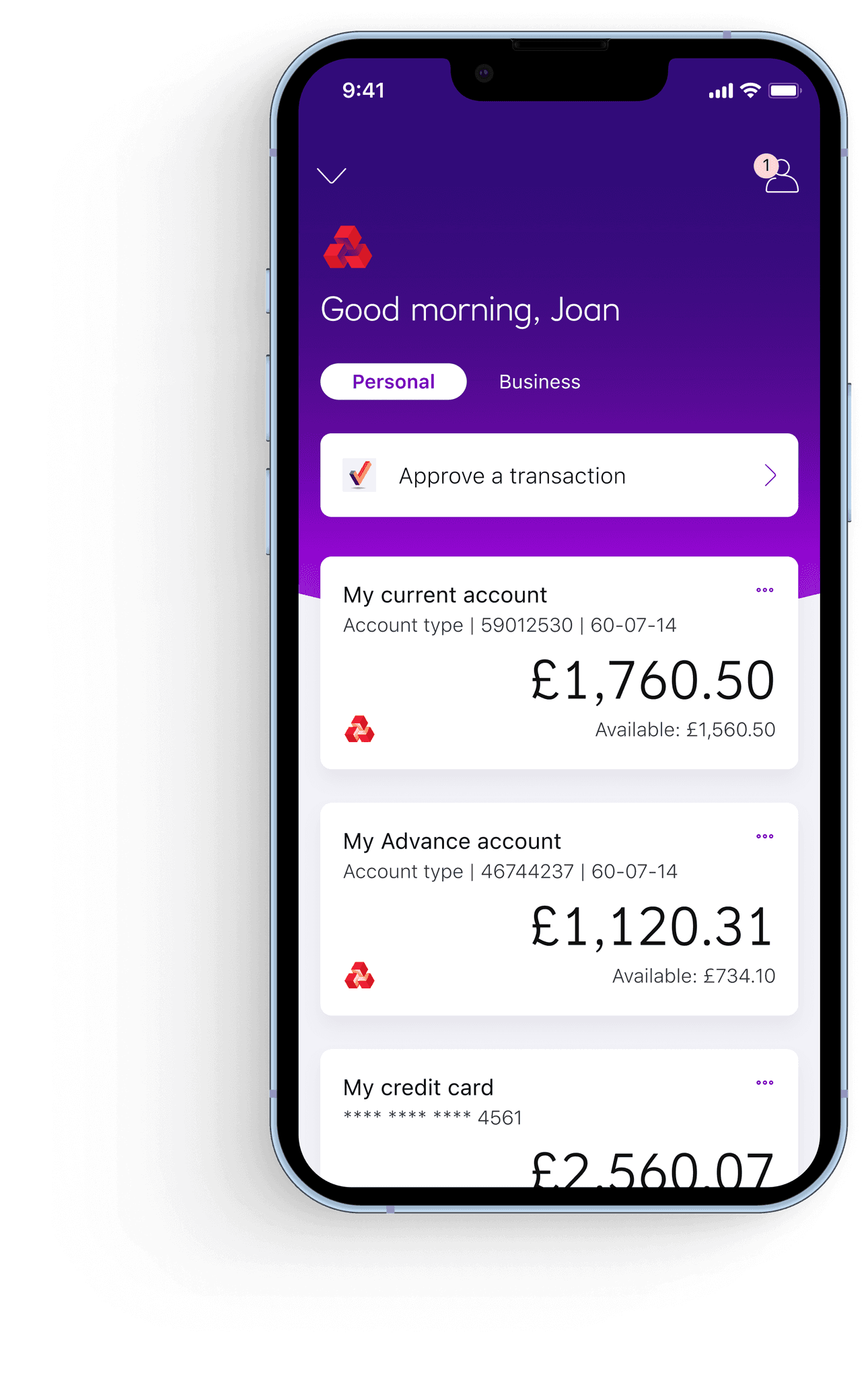
Designing Inclusive, Secure, and Empowering Banking Experiences
At NatWest, I worked as a Senior Product Designer within the Human-Centred Design Centre of Excellence, focused on making digital banking more inclusive, secure, and empowering for millions of users.
My work centred on accessibility, fraud prevention, and financial wellbeing, helping customers bank with greater confidence, independence, and ease.
Problem
For many NatWest customers, digital banking was not a one-size-fits-all experience.
Users with disabilities or cognitive impairments often struggled with accessibility and information clarity.
Fraud attempts were increasing, leaving customers anxious about safety and trust.
Everyday customers lacked easy ways to save or manage money proactively within the app.
The challenge
To address these needs holistically, creating a mobile experience that felt secure, supportive, and flexible enough to adapt to every customer’s situation.
My role
As a Senior Product Designer, I worked with cross-functional teams across Product, Engineering, Accessibility, and Compliance.
I was responsible for defining design direction, leading discovery and prototyping, validating solutions through user research, and ensuring high-quality implementation across mobile platforms.
What I delivered
Round Ups: A behavioural-design feature that rounds up everyday transactions to the nearest pound and automatically moves the spare change into a savings pot.
Banking My Way: An in-app accessibility hub that allows customers to tailor visual, hearing, mobility, and cognitive settings for a more comfortable experience.
Fraud Prevention Journey: A clear, step-by-step flow that helps users identify and prevent scams, using plain language and reassuring design patterns.
Payments & Limits: Redesigned journeys introducing facial recognition for quicker, more secure payment authorisations.
Reflections
Designing for NatWest reaffirmed my belief that inclusive design is good design. Whether helping someone navigate with cognitive impairments, preventing fraud, or turning spare change into savings, each experience was about designing for dignity, safety, and everyday confidence.
Round Ups:
Turning Spare Change into Meaningful Savings
Round Ups was designed to help NatWest customers save effortlessly by rounding up everyday transactions to the nearest pound and automatically transferring the spare change into a savings pot. The goal was to make saving feel natural and rewarding, while reinforcing positive financial habits through clear, human-centred design.
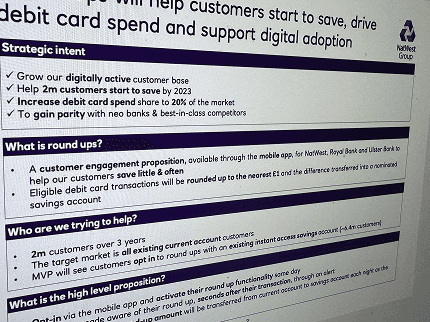
Target
2m
Customers to start saving
20%
share of the UK debit card market
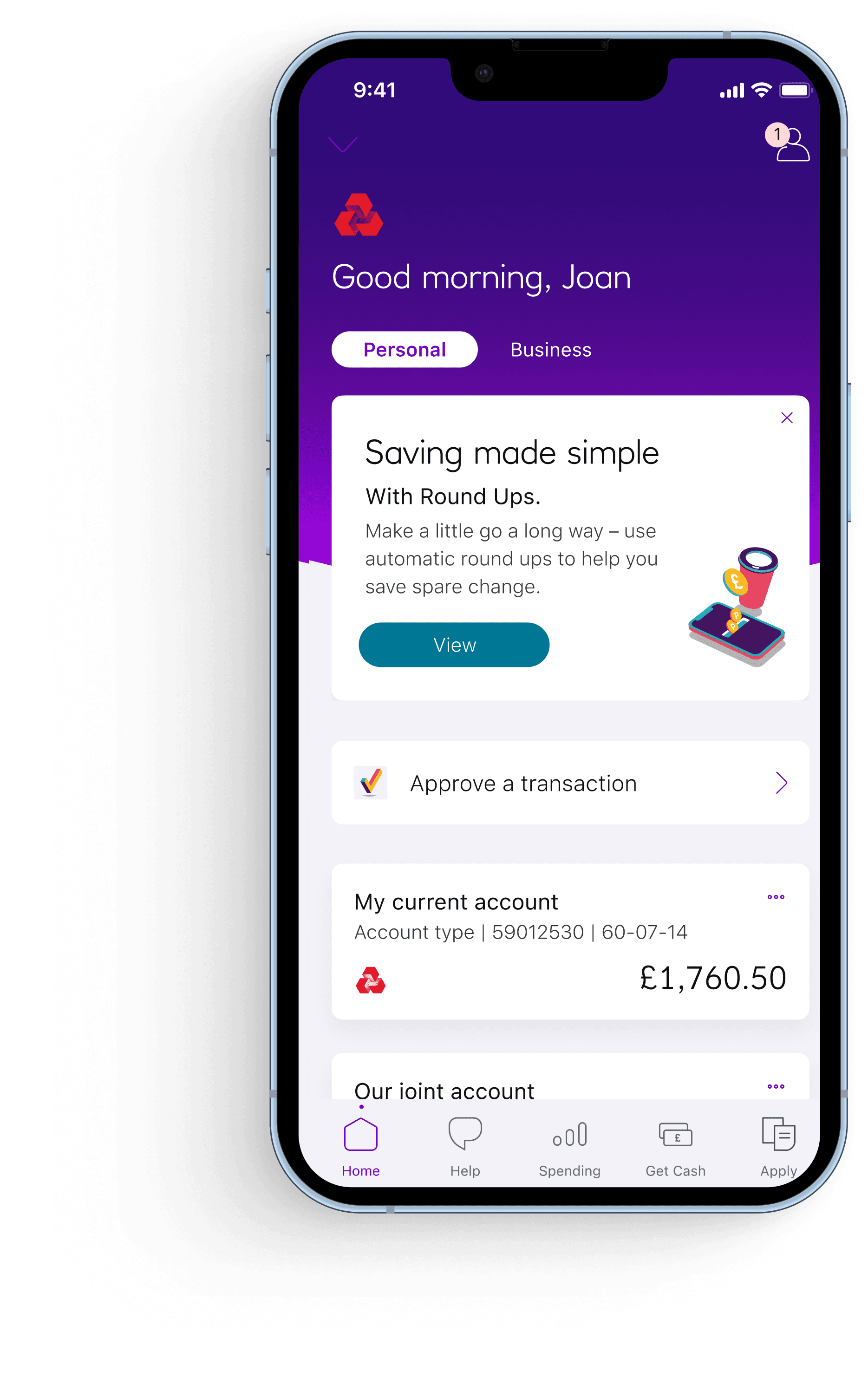
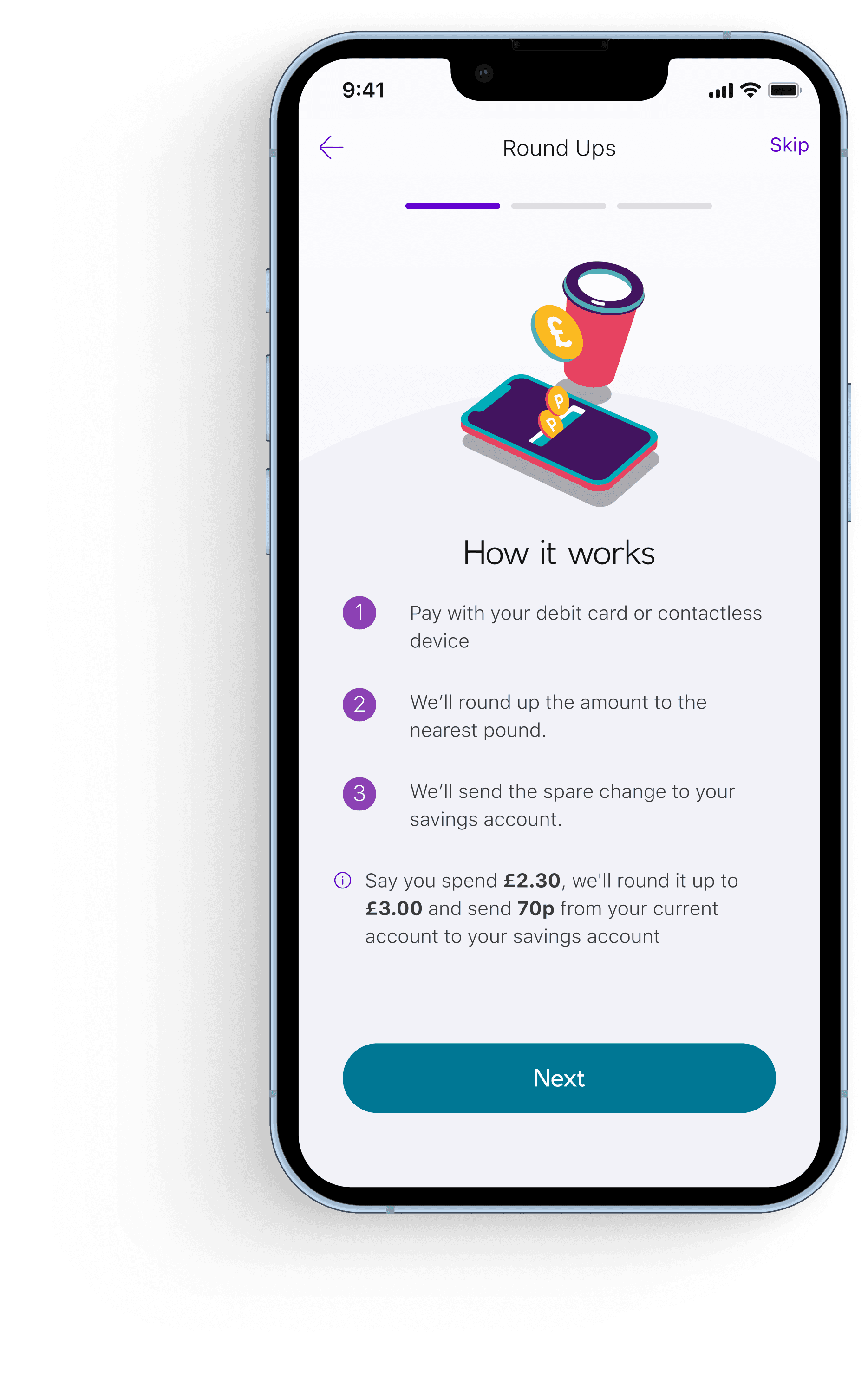
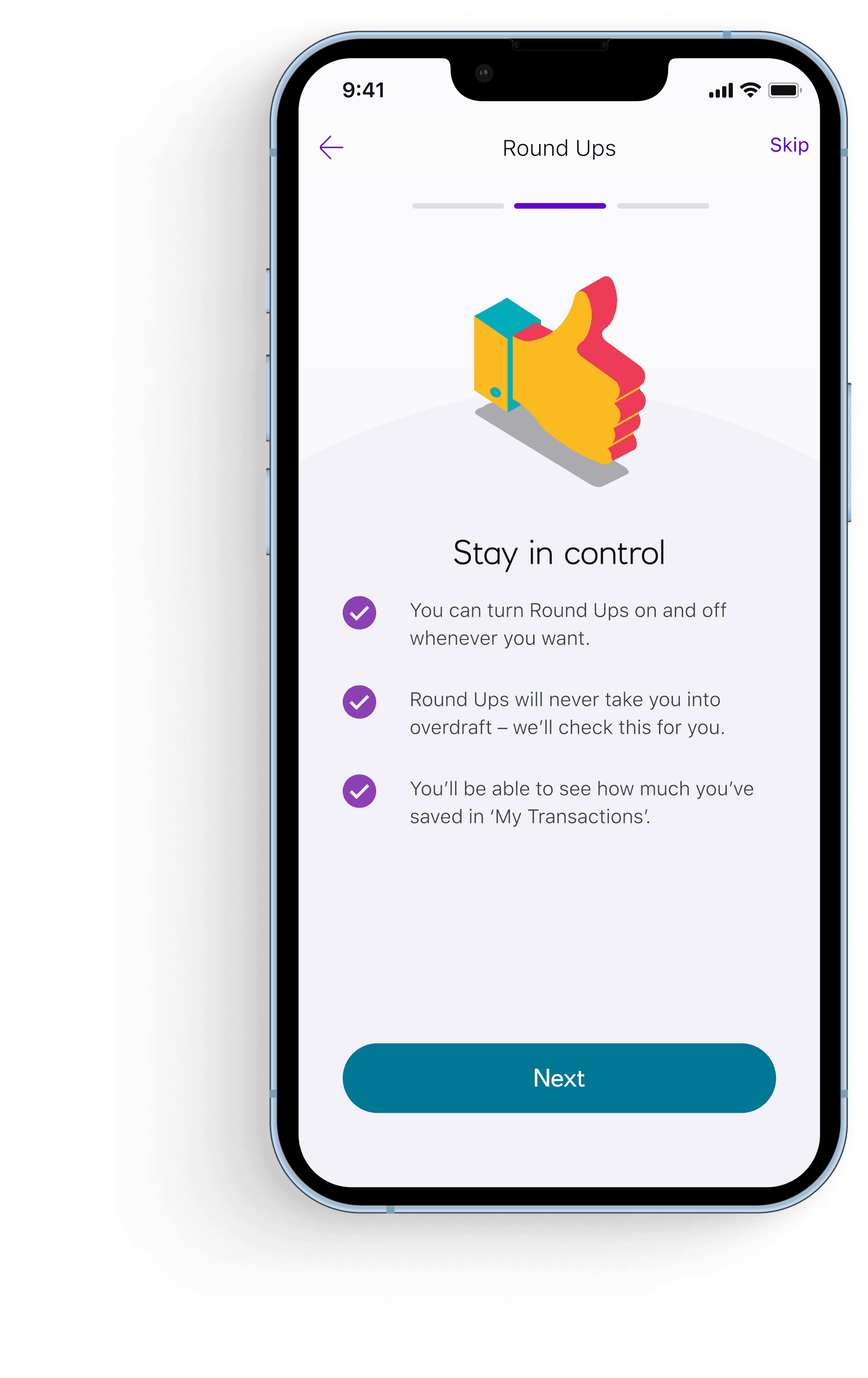

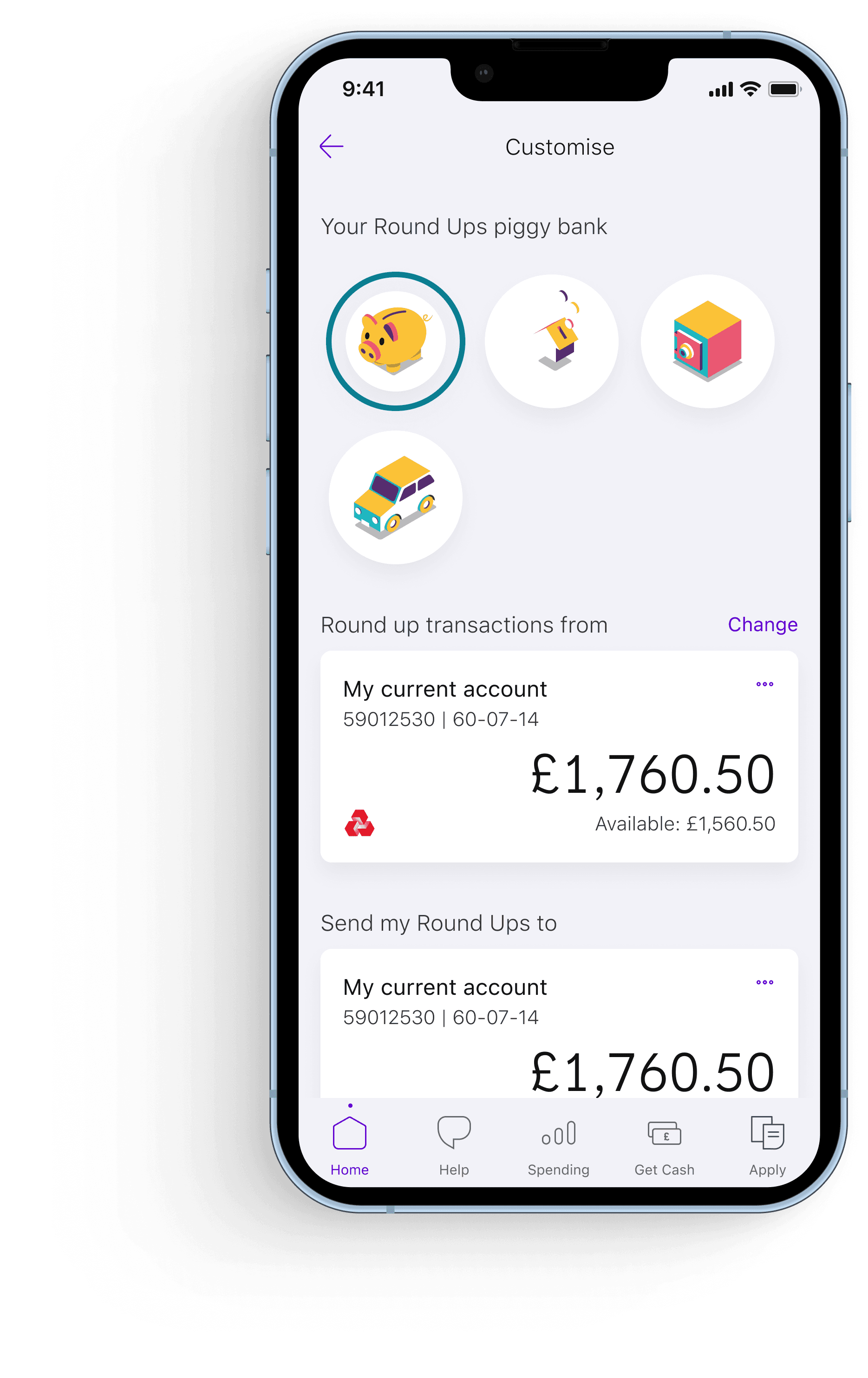
Customisation, allows selection of different savings pots (e.g., “Rainy Day,” “Holiday Fund”).
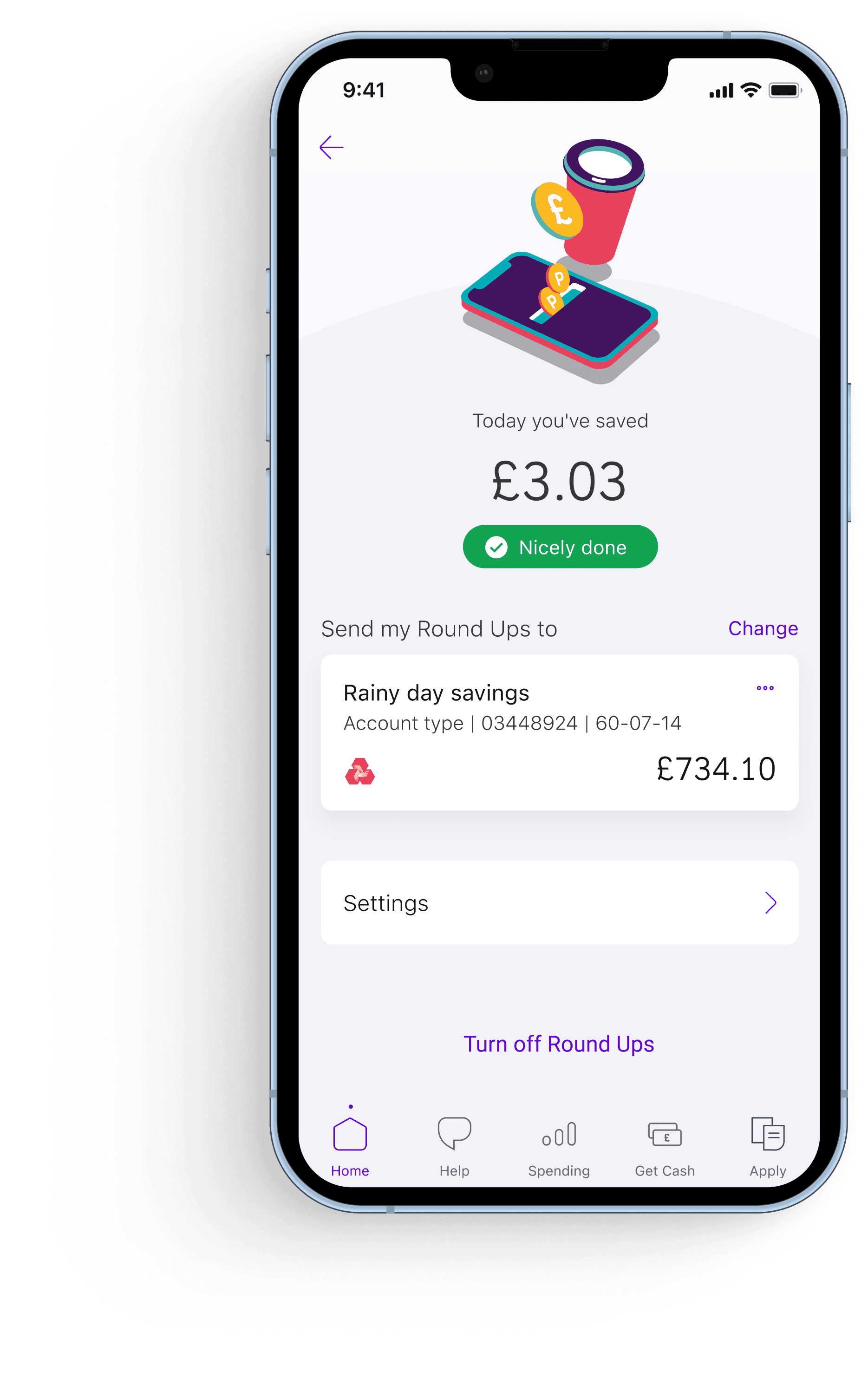
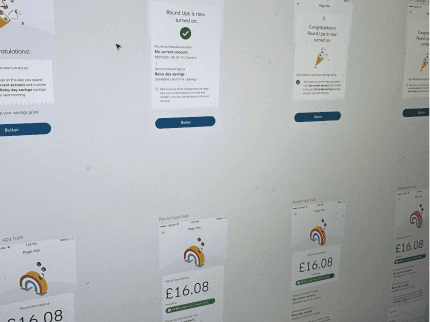
Feedback & Reinforcement: a dynamic confirmation screen celebrates each successful round-up with a visual cue, building emotional reward.
Transparency in Every Transaction
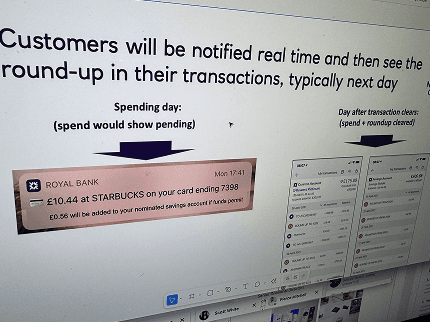
To build trust and clarity, the Round Ups feature was designed to appear naturally within a customer’s transaction history, rather than as a separate savings process.
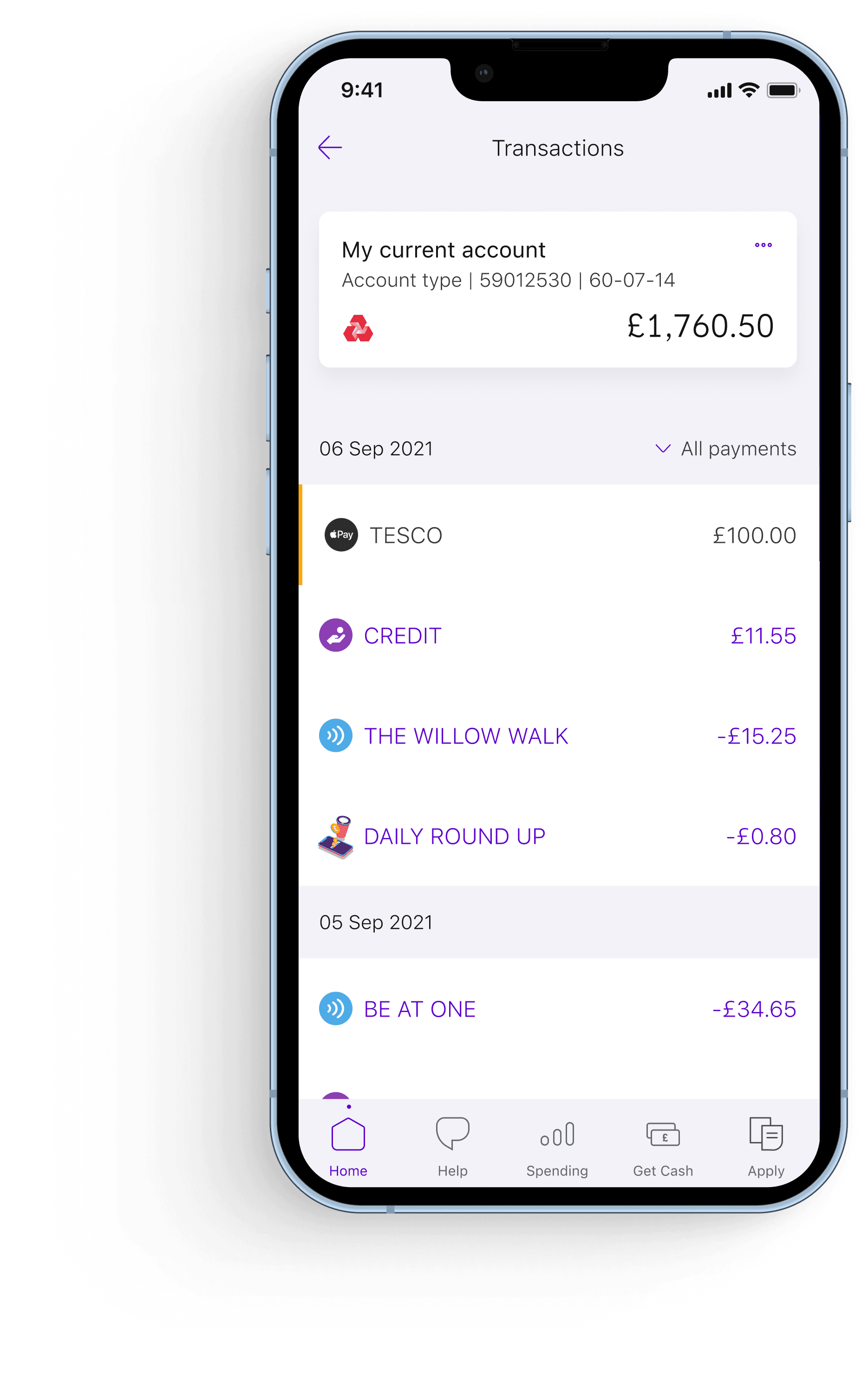
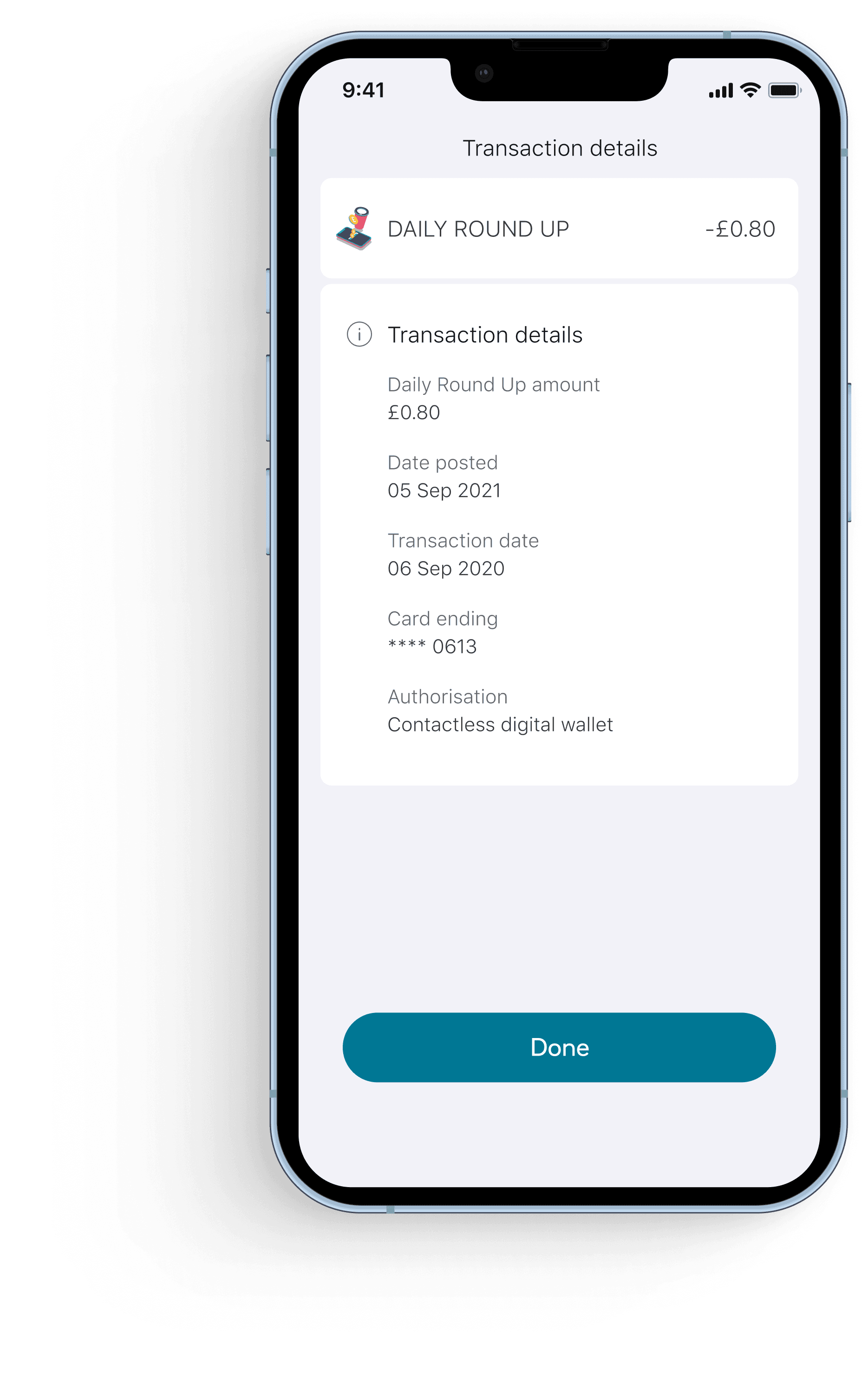
This subtle integration helps users understand that saving isn’t an extra task, it’s simply part of how they already spend.
Problem
Many customers wanted to save but struggled to build the habit. Traditional savings journeys required intent and manual effort, barriers that stopped people from even starting. We needed a solution that made saving feel invisible, frictionless, and easy to control, while still aligning with NatWest’s security and transparency standards.
Approach
The design focused on clarity, reassurance, and empowerment. The journey introduced Round Ups through plain-language storytelling, simple illustrations, and a progressive setup flow that explained how it works, how to stay in control, and where the money goes.
Remove cognitive friction by breaking the setup into clear, digestible steps.
Use friendly micro-interactions and tone to make saving feel rewarding, not technical.
Provide transparency around transaction sources and movement of funds.
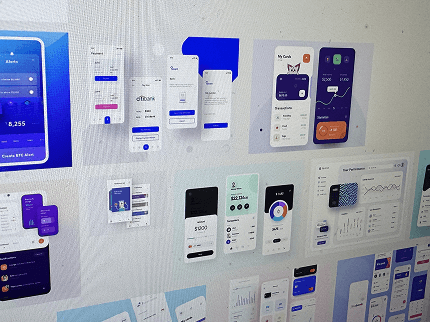
Consumer Research & Competitor Analysis
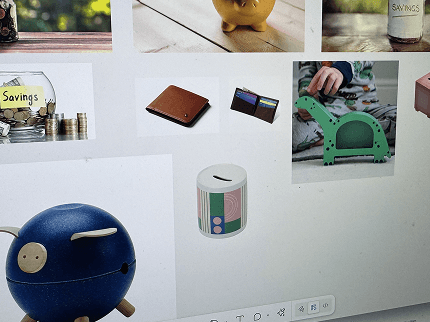
Conducted discovery research to understand customer attitudes toward saving, behavioural barriers, and existing solutions in the market. Analysed competitors’ approaches to identify opportunities for differentiation and simplicity.
Define Business & User Goals
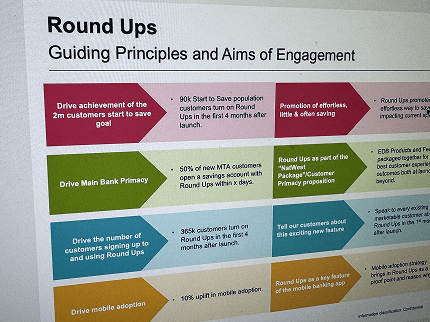
Collaborated with product and business teams to align on success metrics — increasing savings engagement and driving long-term retention through effortless micro-savings.
Ideation & Concept Exploration
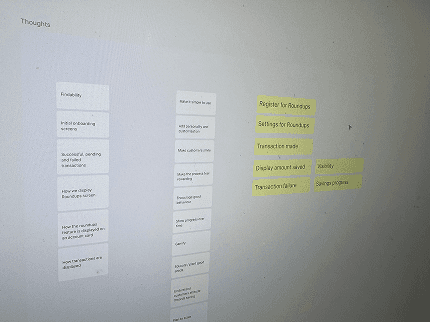
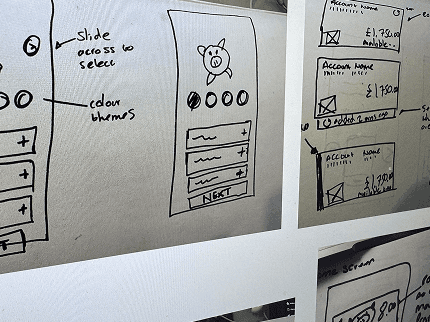
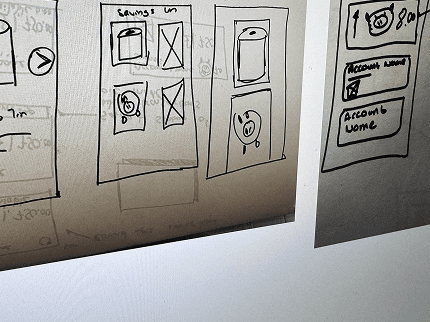
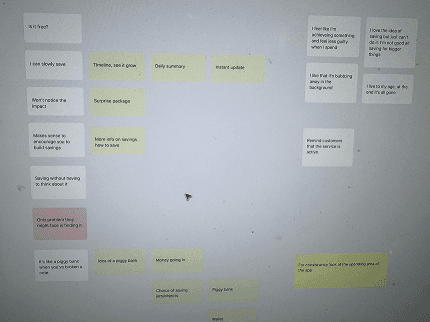
Facilitated cross-functional brainstorming sessions to explore “the art of the possible.” Sketched and prototyped early concepts, mapping potential use cases and user journeys to test feasibility.
User Flows & Early Concepts
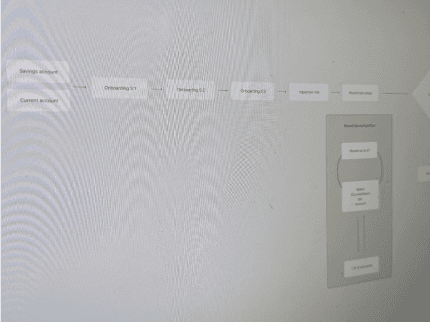
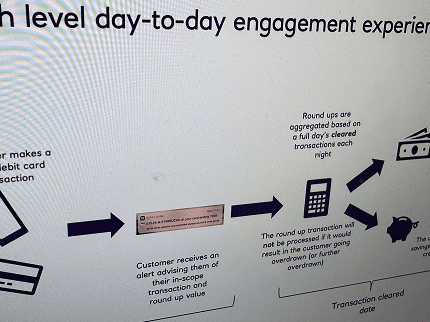
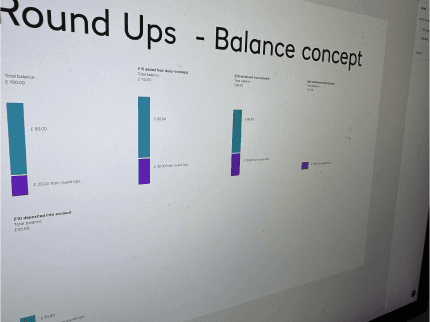
Created initial low-fidelity wireframes to visualise core interactions. Defined the end-to-end flow from onboarding to daily usage and integrated savings feedback.
User Testing & Iteration
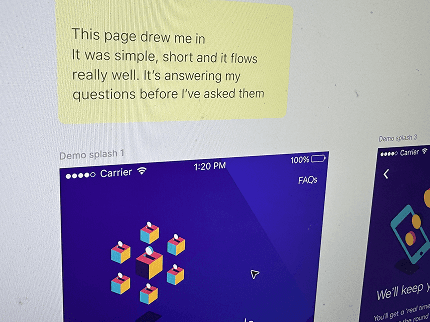
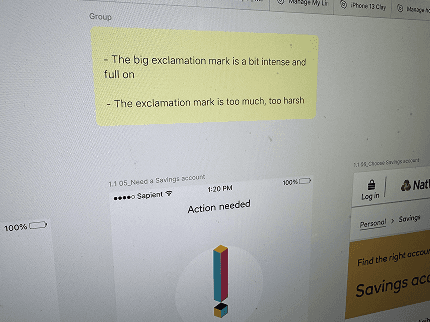
Conducted multiple rounds of usability testing with diverse customer groups to validate clarity, motivation, and trust in the concept. Iterated designs based on qualitative insights and behavioural feedback.
High-Fidelity Design & Validation
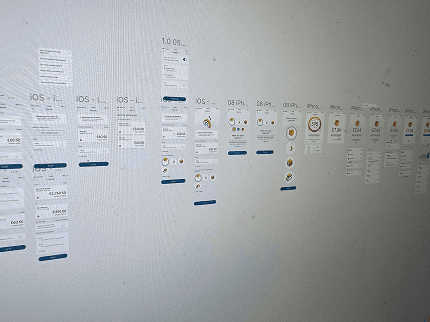
Translated validated concepts into high-fidelity Figma prototypes with clear motion cues, illustrations, and copy. Partnered with research to conduct final validation testing before handoff.
Implementation & Launch
Worked closely with developers and QA teams through build and integration to ensure design quality, accessibility compliance, and alignment with NatWest’s design system. Supported feature launch and monitored early adoption metrics post-release.